
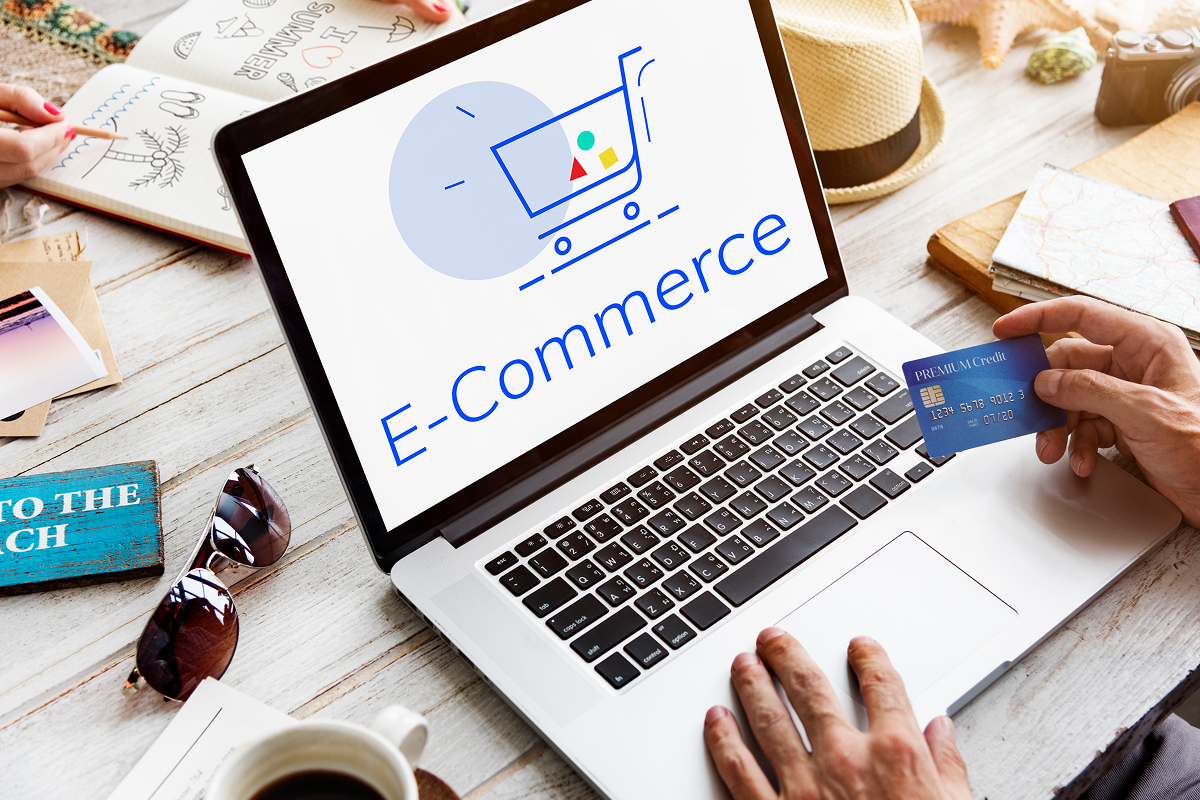
E-Commerce Platforms
E-commerce platforms are digital solutions that enable businesses to build, manage, and operate online stores. They serve as the backbone of online retail by providing tools for product management, order processing, customer engagement, payment integration, and analytics. Whether you're a small business owner launching your first store or a large enterprise managing thousands of products, an e-commerce platform is essential for establishing a digital presence and reaching a global audience.
These platforms typically come in three main types: hosted (SaaS) like Shopify and BigCommerce, open-source like WooCommerce and Magento, and headless commerce, where the frontend and backend are decoupled for more flexibility and custom user experiences. Hosted platforms are ideal for quick setup and lower maintenance, while open-source and headless options offer advanced customization and scalability for developers and larger businesses.
Key Facts About E-Commerce Platforms
-
Global Reach
-
24/7 Availability
-
Mobile First
-
Built-in Payment Security
-
Multi-Channel Selling
-
Flexible Growth
Technologies Behind E-Commerce Platforms
Modern e-commerce platforms are powered by a stack of technologies designed to enhance performance, security, and customer experience. Some common technologies include:
Frontend: Built using HTML5, CSS3, JavaScript frameworks (like React, Vue.js), and templating engines for dynamic UI.
Backend: Developed using PHP (WooCommerce, Magento), Python, Node.js, or Ruby on Rails, depending on the platform.
Databases: MySQL, PostgreSQL, or NoSQL databases like MongoDB are used for storing product data and customer records.
Payment Integration: Secure APIs connect the store with payment processors like Stripe, Razorpay, Square, and Apple Pay.
Security: HTTPS, SSL encryption, token-based authentication, and PCI DSS compliance ensure secure transactions.
CMS Integration: Many platforms offer CMS-like features or integrate with content management systems for blog and SEO control.
APIs & Plugins: Platforms support RESTful APIs and third-party plugins to expand functionality without rebuilding from scratch.
AI & Personalization
Modern e-commerce platforms increasingly leverage artificial intelligence (AI) and machine learning to enhance user experience. Features like personalized product recommendations, dynamic pricing, chatbots, and predictive search are powered by AI algorithms that analyze user behavior, preferences, and purchase history. This helps increase conversion rates, average order value, and customer satisfaction by delivering a more tailored shopping journey.
Inventory & Logistics Integration
Advanced e-commerce systems integrate seamlessly with inventory management and logistics software, allowing real-time stock updates, automated order fulfillment, and smart warehousing. These integrations reduce human error, prevent stockouts or overstocking, and improve delivery timelines. For large-scale operations, APIs and ERP connectors help synchronize multiple sales channels and warehouses efficiently.
Related Blogs
Explore our latest insights and expert analysis on technology trends, business strategies, and industry best practices.

 CorpoPlus Team
September 15, 2025
Smart Strategies to Grow Your Business

CorpoPlus Team
September 15, 2025
Top Marketing Ideas for Entrepreneurs

CorpoPlus Team
September 15, 2025
How to Build a Powerful Brand Image

Start Your Digital Project with Confidence
Ready to transform your business? Partner with CorpoPlus for comprehensive IT solutions and real estate consulting that drives growth and success.

CorpoPlus delivers comprehensive IT solutions and real estate consulting services to help businesses achieve digital transformation and sustainable growth. We combine cutting-edge technology with strategic expertise.
Explore
Resources
Address
-
Head Office:
500 Madison Avenue, New York, NY 10022, United States -
Phone (US):
+1 (212) 555-0198 -
Email:
contact@corpoplus.com
© 2025 CorpoPlus Co. All rights reserved.